



How to
Separate & Sort Your Laundry Like An Expert
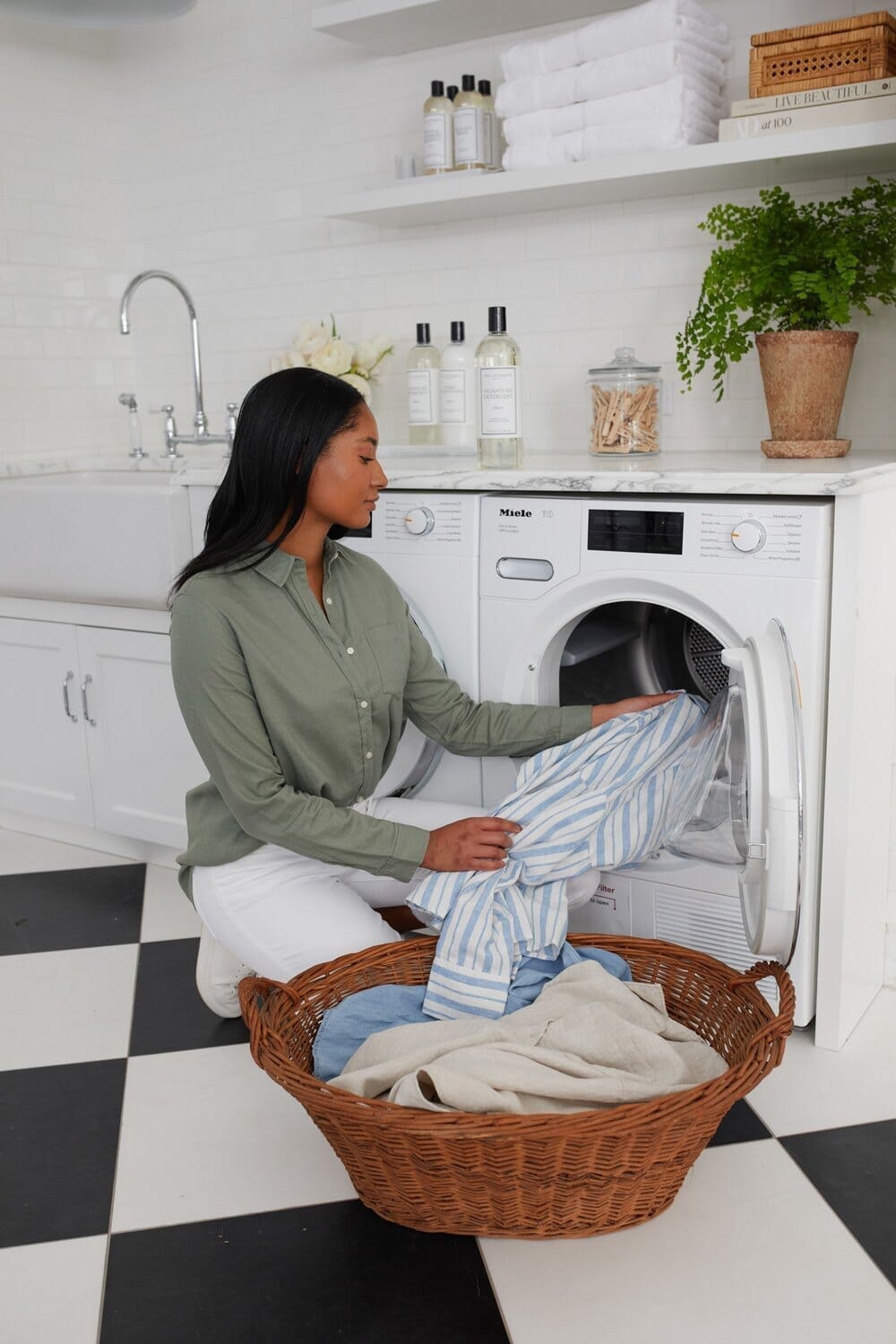
Laundry basket looking full? Set yourself up for success by knowing the importance of sorting clothes. Learn how to correctly separate light, dark, white, and patterned clothing, and sort your laundry by fabric type.
Knowing how to sort laundry prevents accidents, preserves color, reduces lint transfer, and helps clothing last longer.
How To Sort Laundry
The basic rules are to sort by color and fabric type. Fabric type determines washing method, while color prevents dye transfer.
Always check garment labels first. Fabric content determines water temperature, wash cycle, and drying method.

For blends, follow the care instructions of the highest percentage fabric. Delicates like silk, wool, and cashmere should always be treated as delicate regardless of percentage.
Avoid washing heavily embellished or “do not wash” items at home.
- Everyday laundry (cotton, linen, synthetics)
- Denim
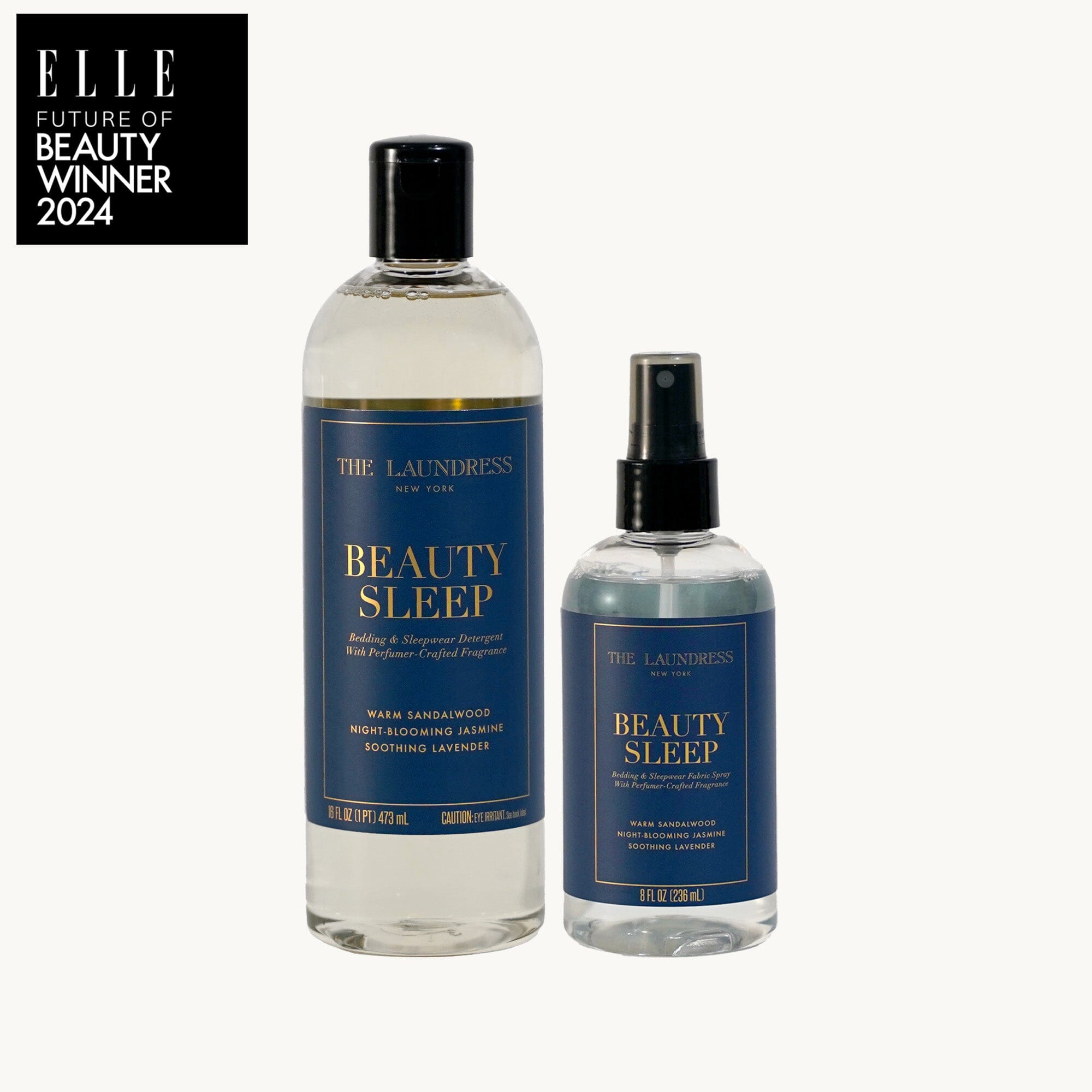
- Sheets, towels, bedding
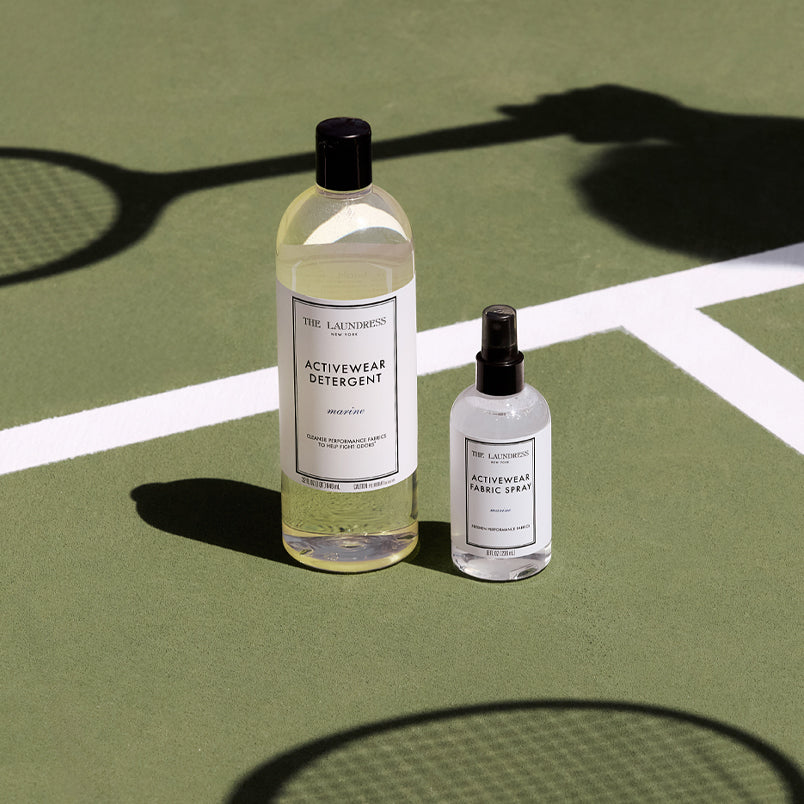
- Performance fabrics (activewear, swim)
- Woolens
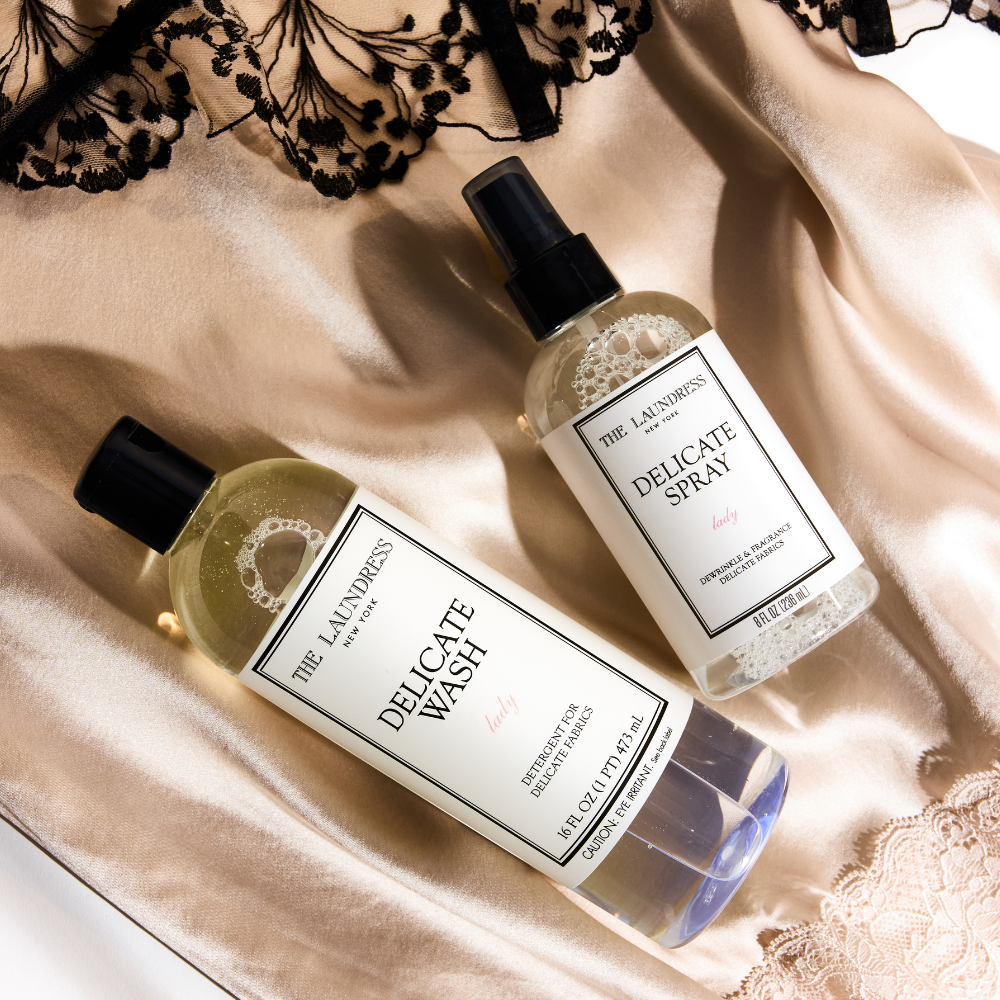
- Delicates (silk, hosiery, eveningwear)
- Stained or heavily soiled items
Separate into whites/lights, darks, and colors. Patterned items should be sorted by dominant color.
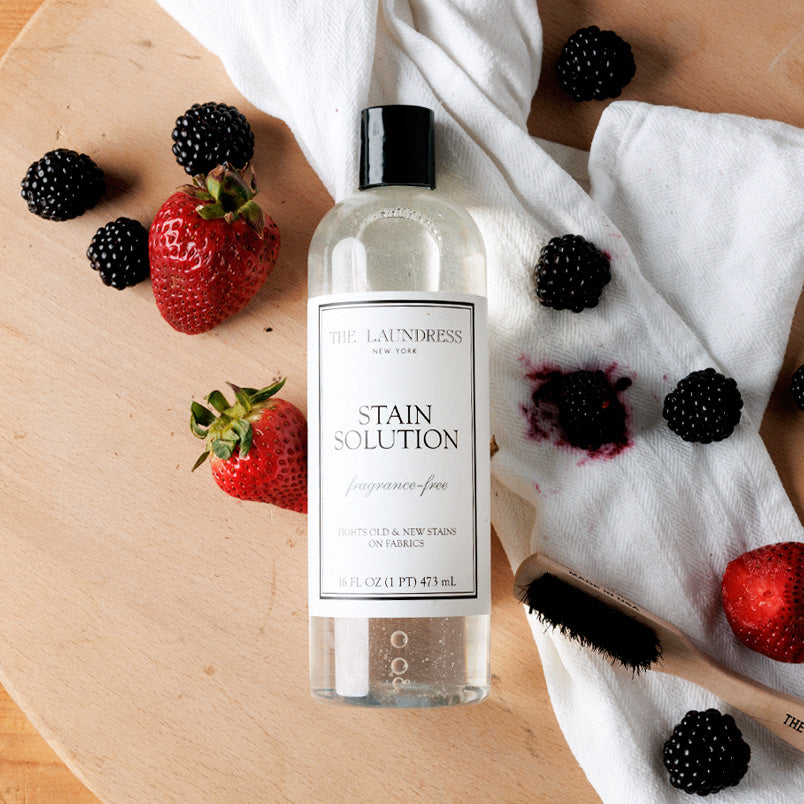
Treat stains before washing using a targeted stain remover to improve results and extend garment life.
Use mesh bags for delicates, knits, and performance fabrics to prevent snags, tangling, and lint transfer.

Wash each pile according to fabric type. Everyday fabrics can tolerate warmer washes, while delicates require cold water and gentle cycles.
Air drying is safest for delicate and synthetic fabrics. High heat can damage elasticity, shrink garments, and fade colors.
Shop The Story
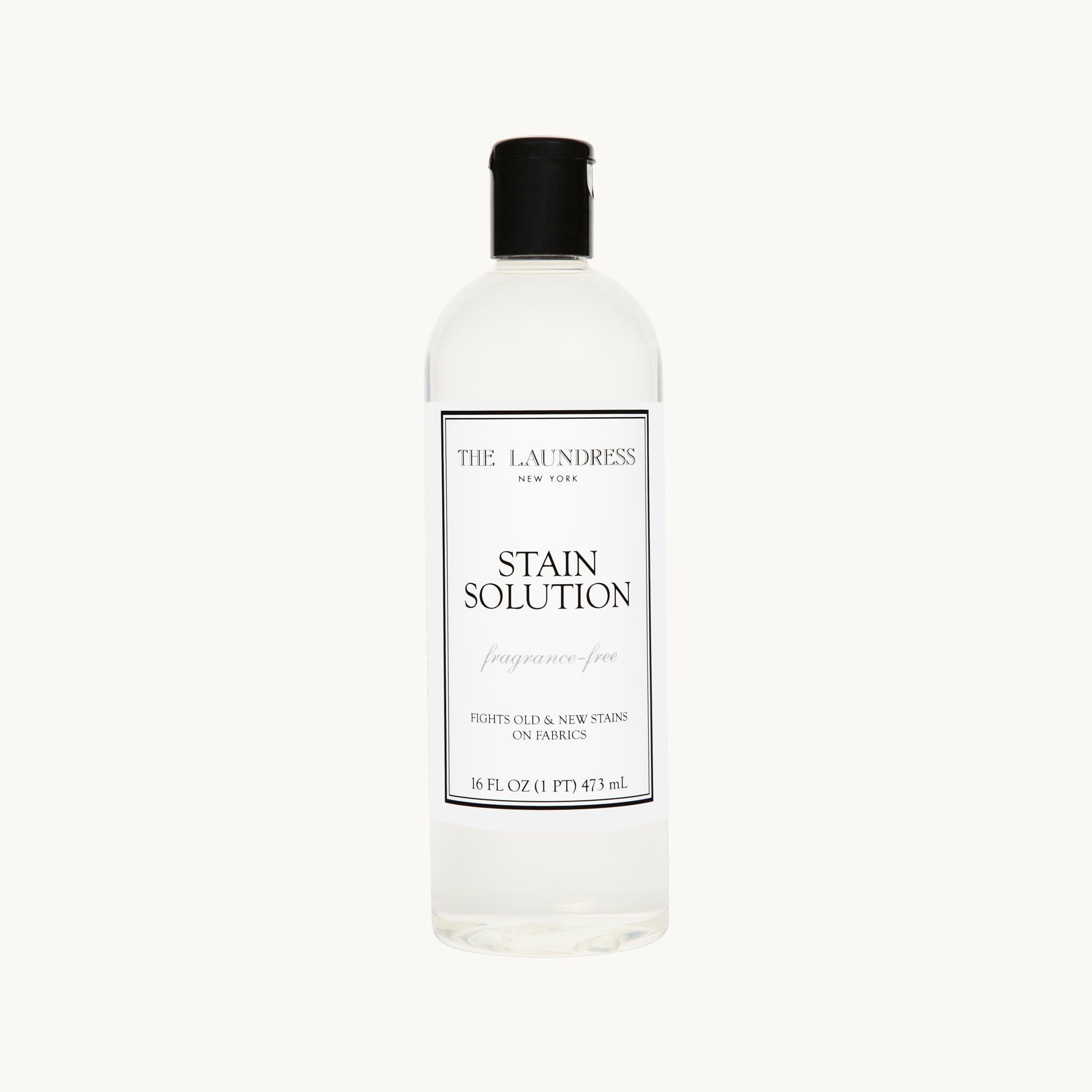
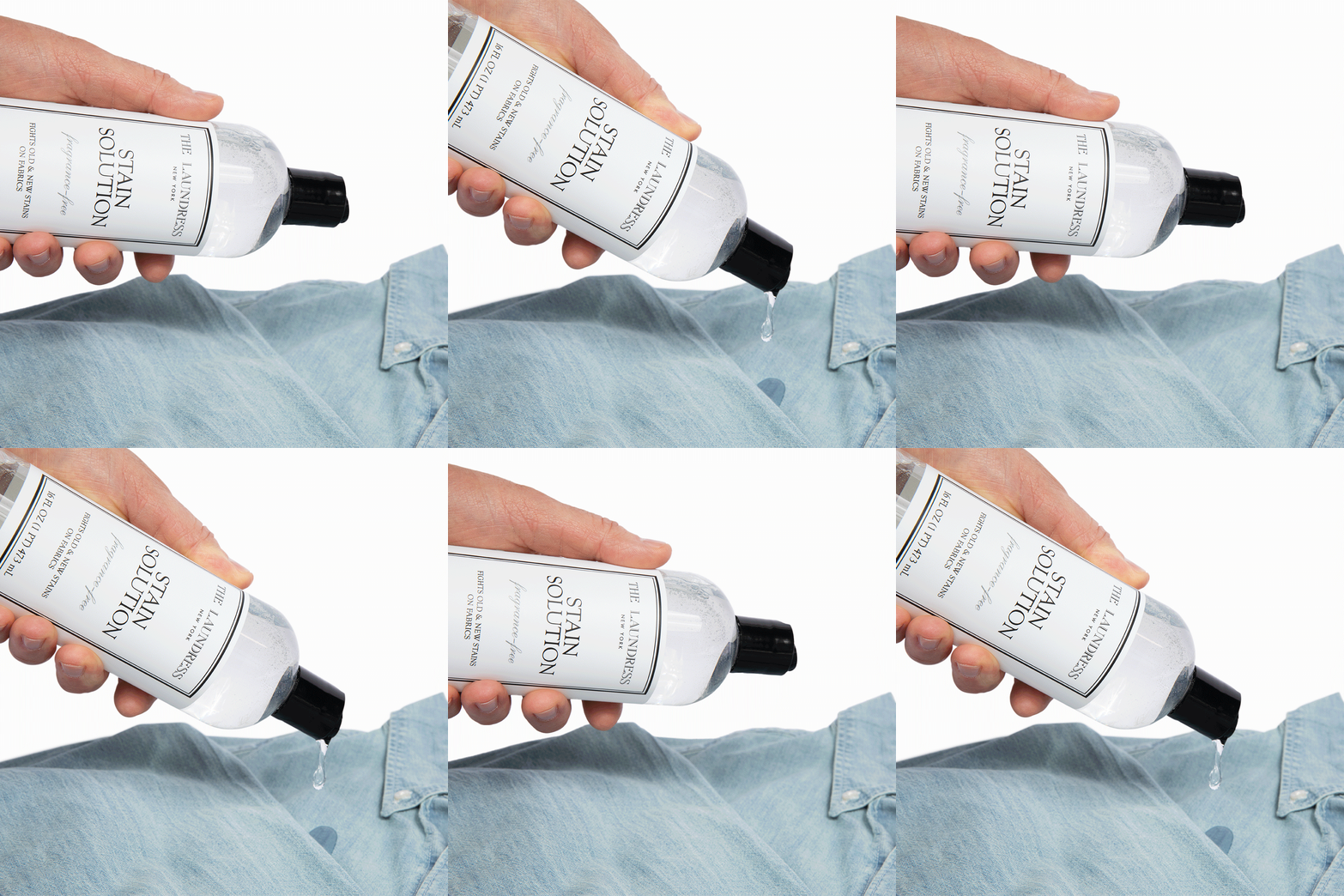
Fights Old & New Stains On Fabrics
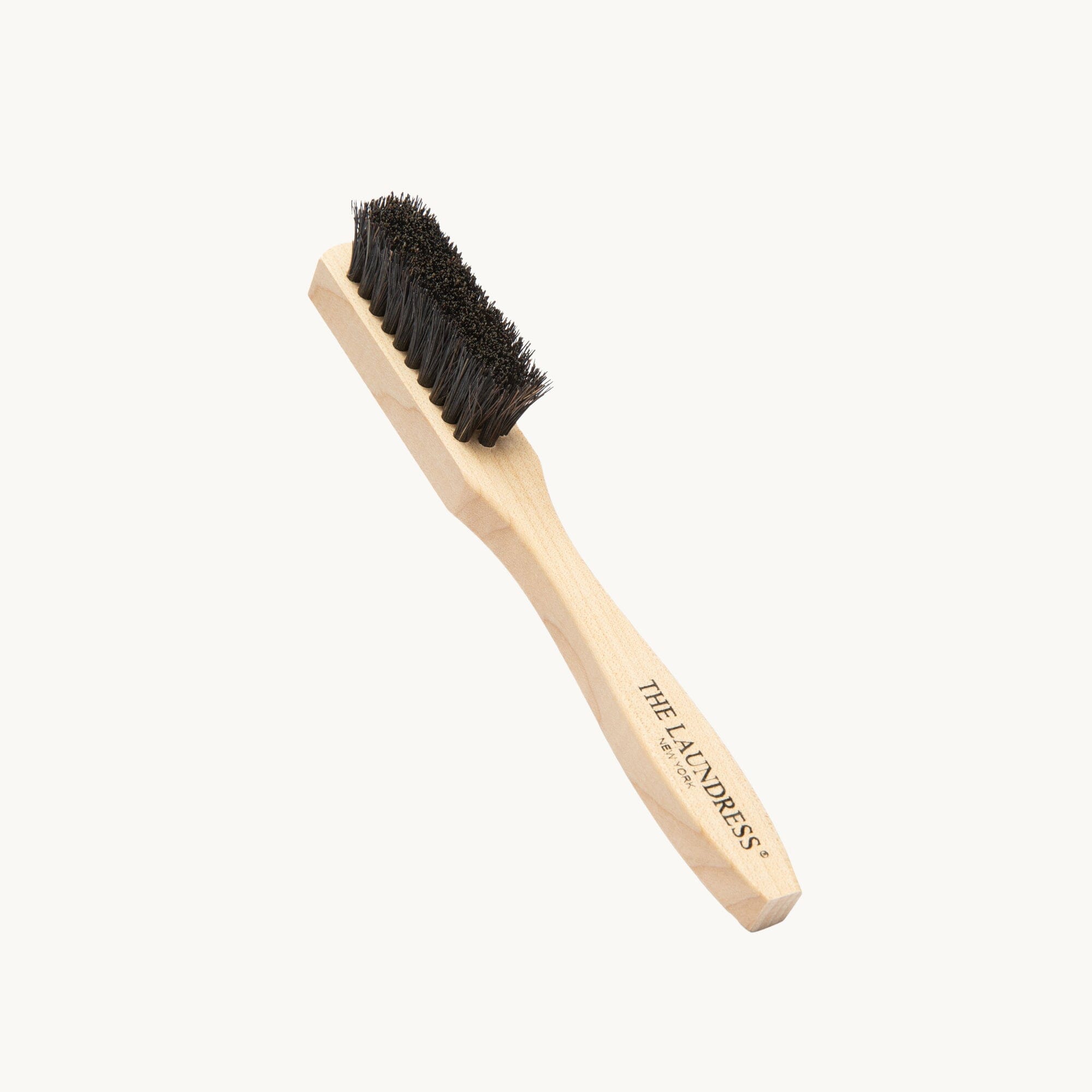
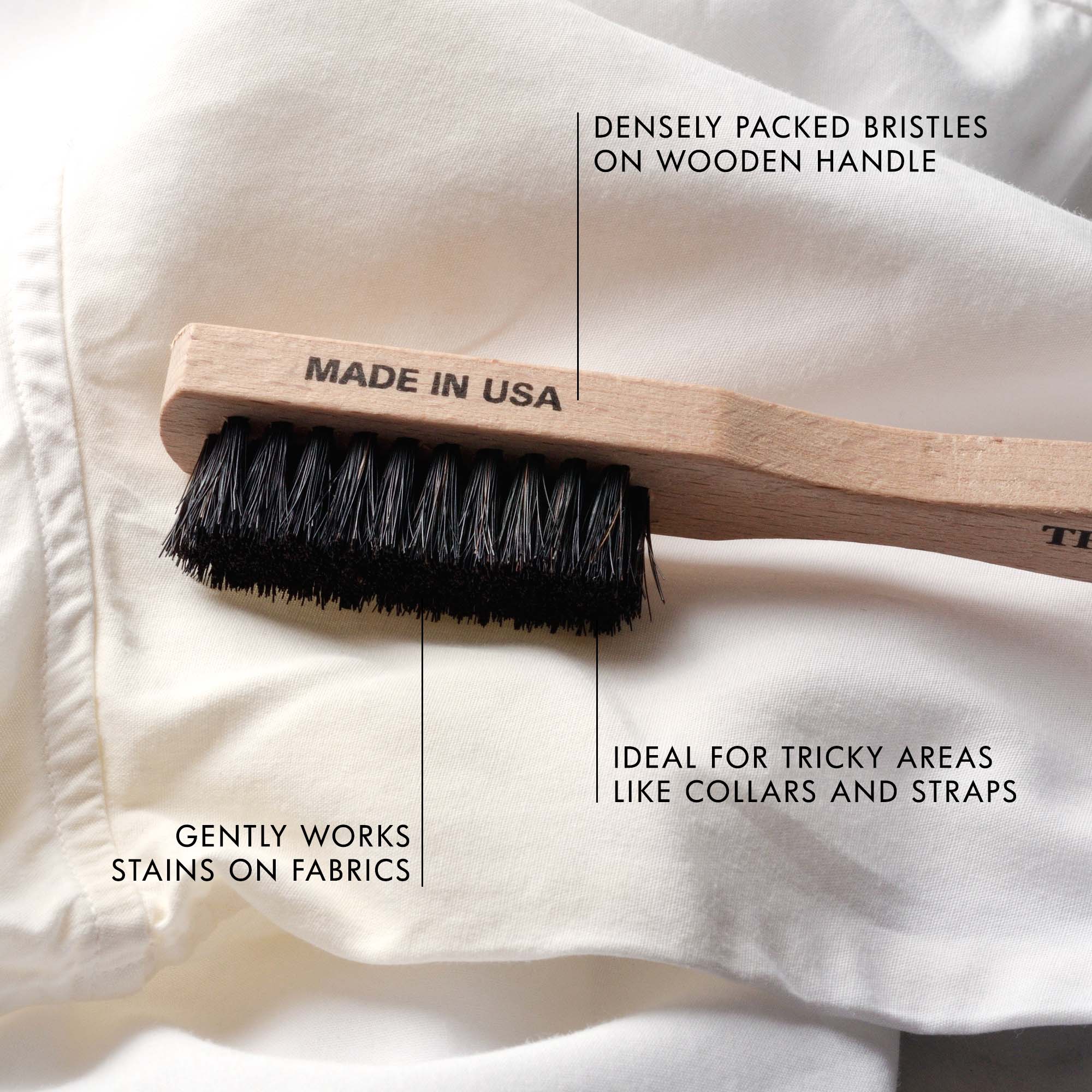
Aid Stain Removal
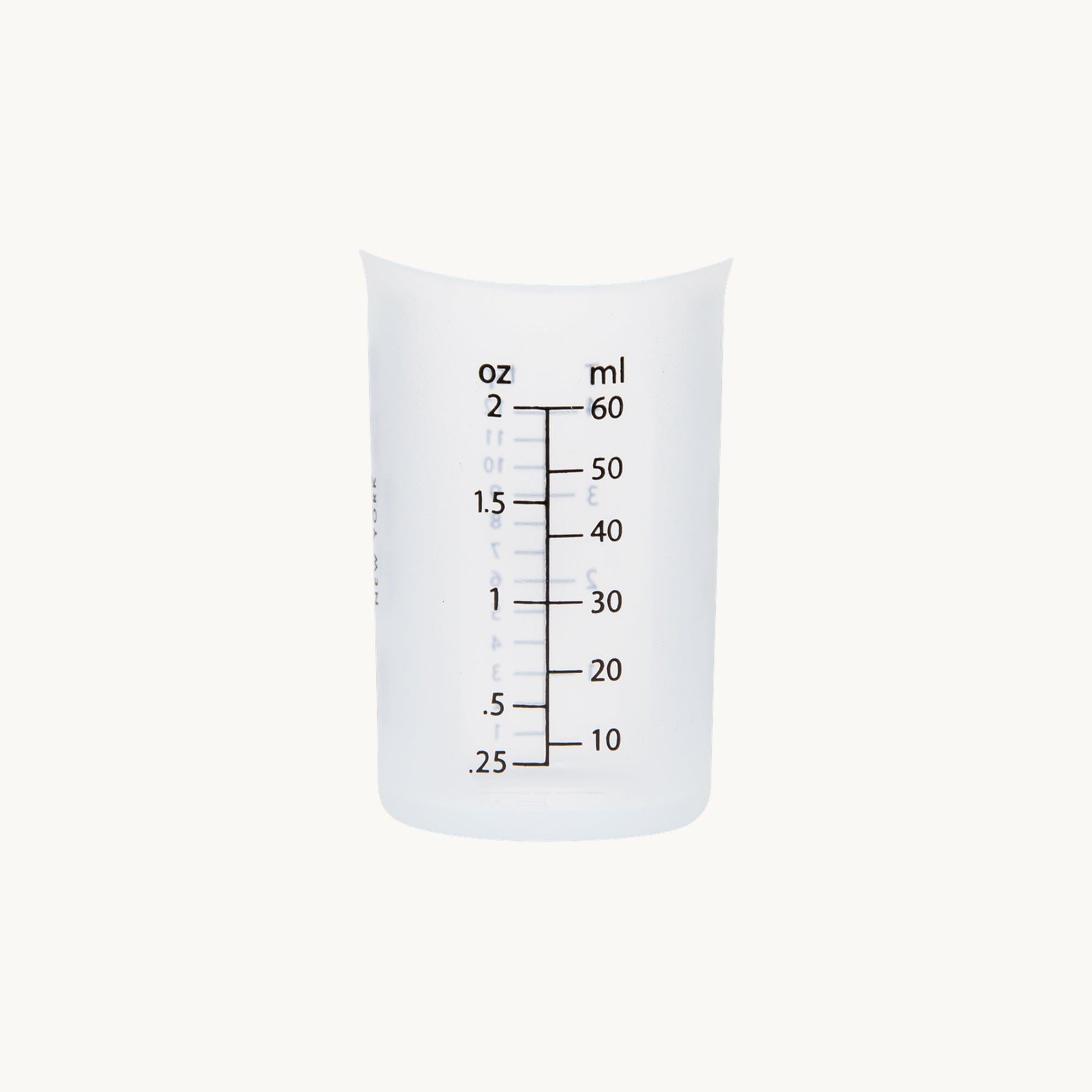
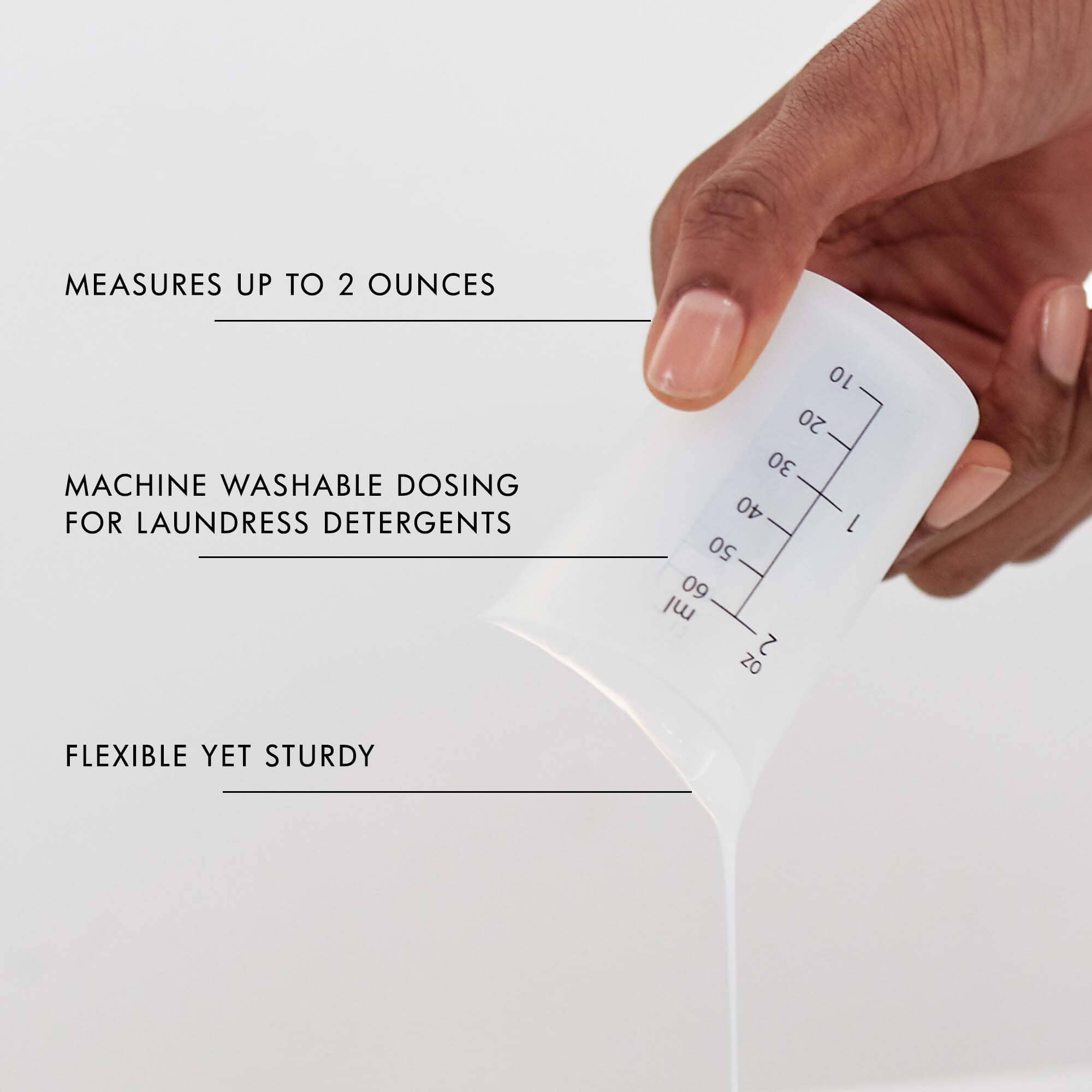
Dosing For Fabric Care
Dewrinkle Fabrics & Clean Laundry Scent
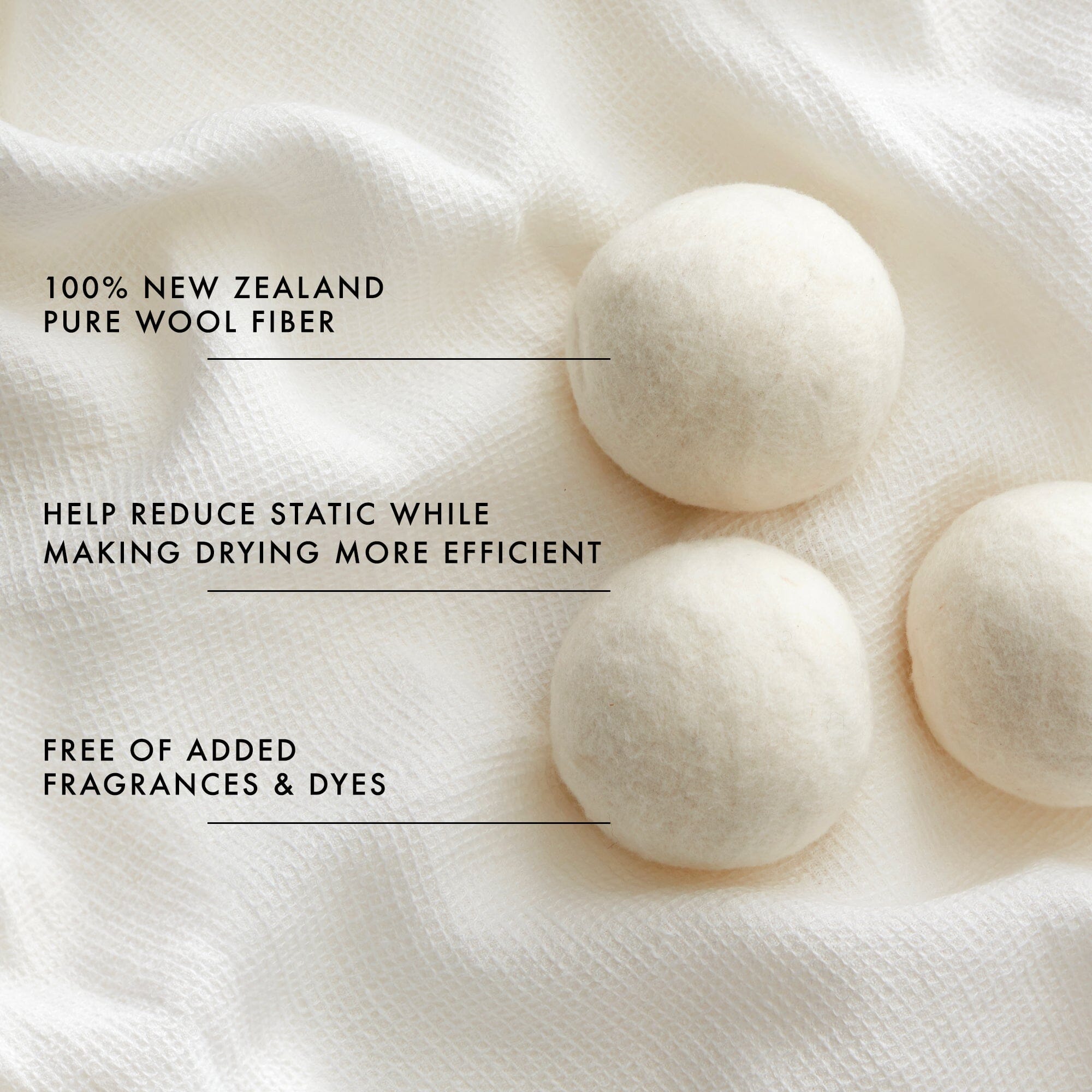
Fluff & Reduce Static During Drying
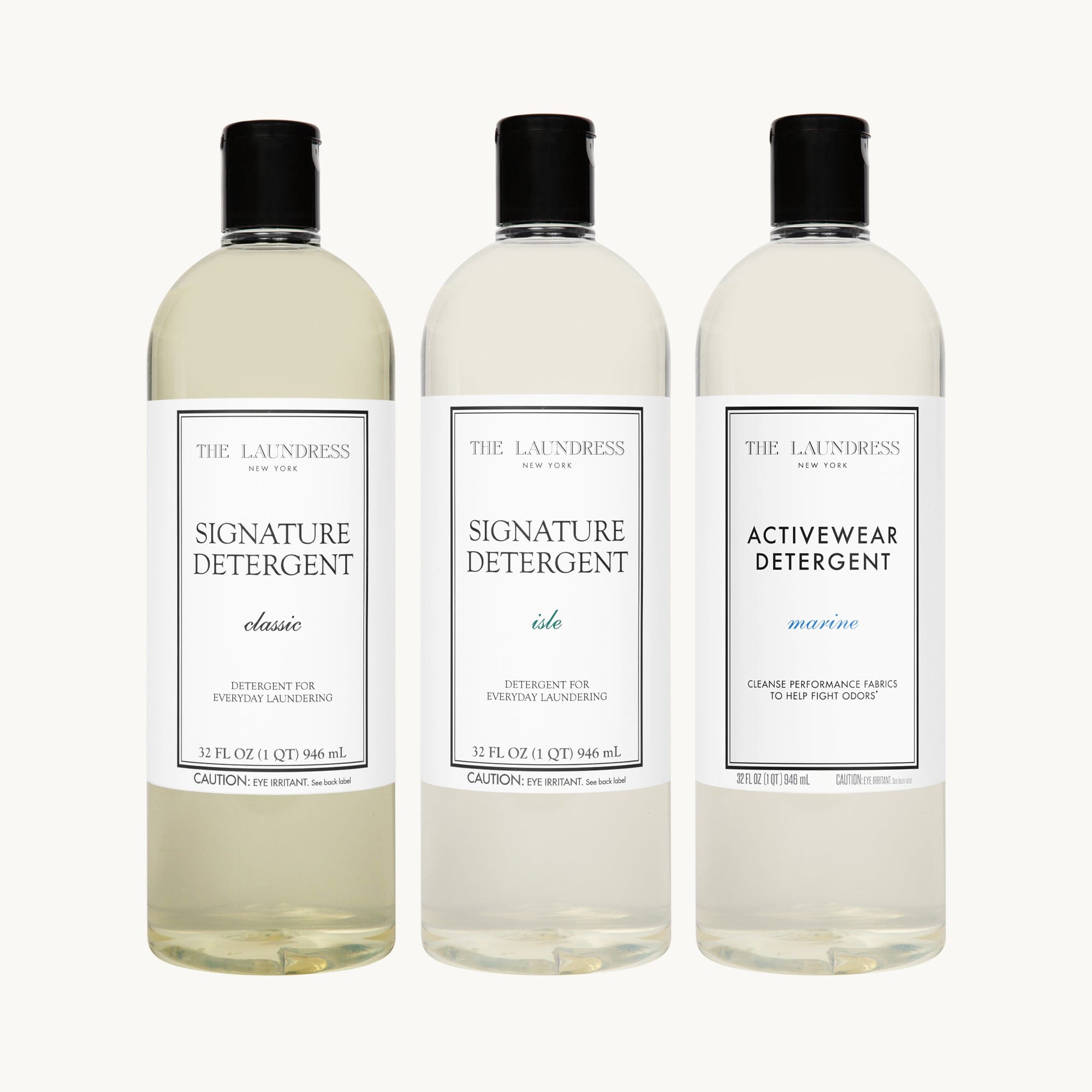
Detergent For Everyday Laundering